

The entirety of the ISEE Upper Level Mathematics Achievement test is comprised of word problems, and much of the Quantitative Reasoning section is as well. Given that the Mathematics Achievement Test is the longest test on the ISEE test, and the Quantitative Reasoning test is generally considered the most challenging, it’s a good idea to improve your skills on these questions.
You are not allowed to use a calculator for these two sections. Sounds fun, right? You will have 35 minutes to answer 37 questions in the Quantitative Reasoning section. For Mathematics Achievement, you will have 40 minutes to work through 47 questions.
ISEE Test Word Problems Overview
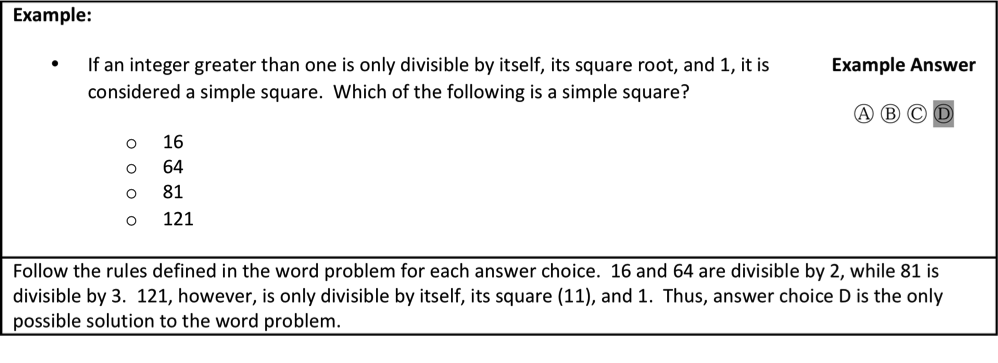
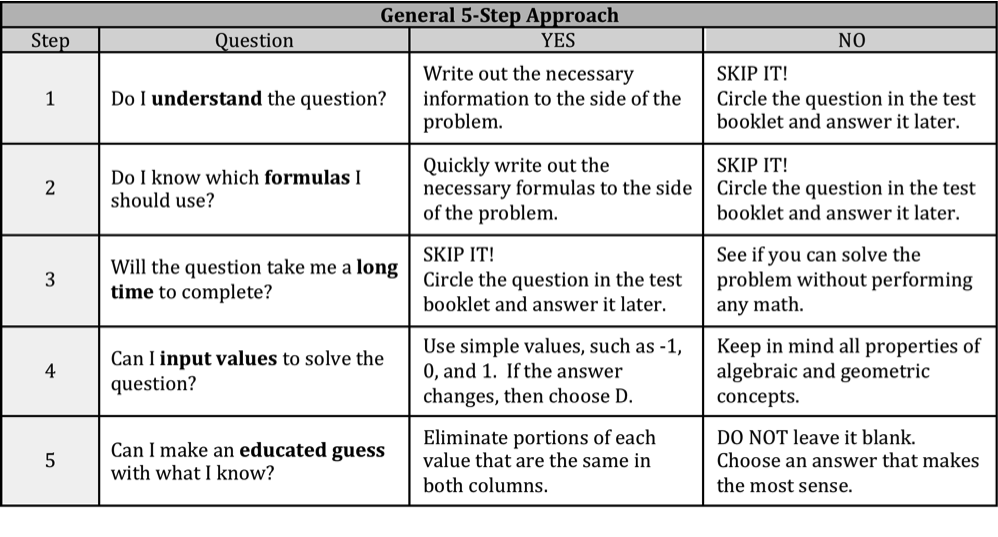
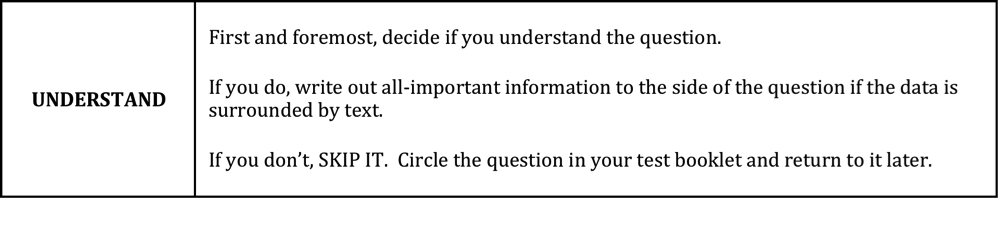
Each word problem is followed by four answer choices. Choose the answer choice that best answers the word problem. Several of the word problems may be solved without actually doing any math on paper.
Expectations for Mathematic Competency on the Upper Level ISEE
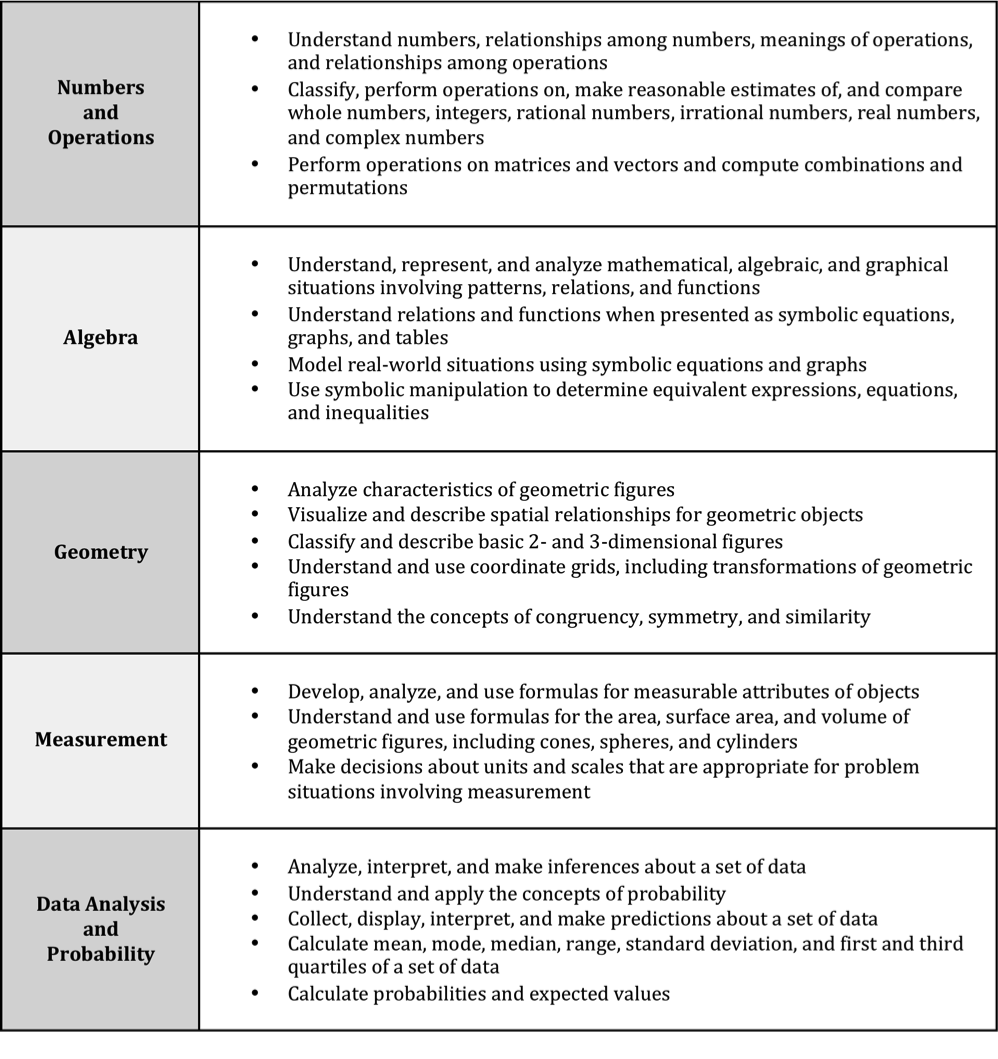
The ERB follows the standards set forth by the National Council of Teachers of Mathematics (NCTM) to determine how the ISEE will test a student’s ability in mathematics. Students taking the Upper Level ISEE should be familiar with the following concepts, as stated by the ERB:
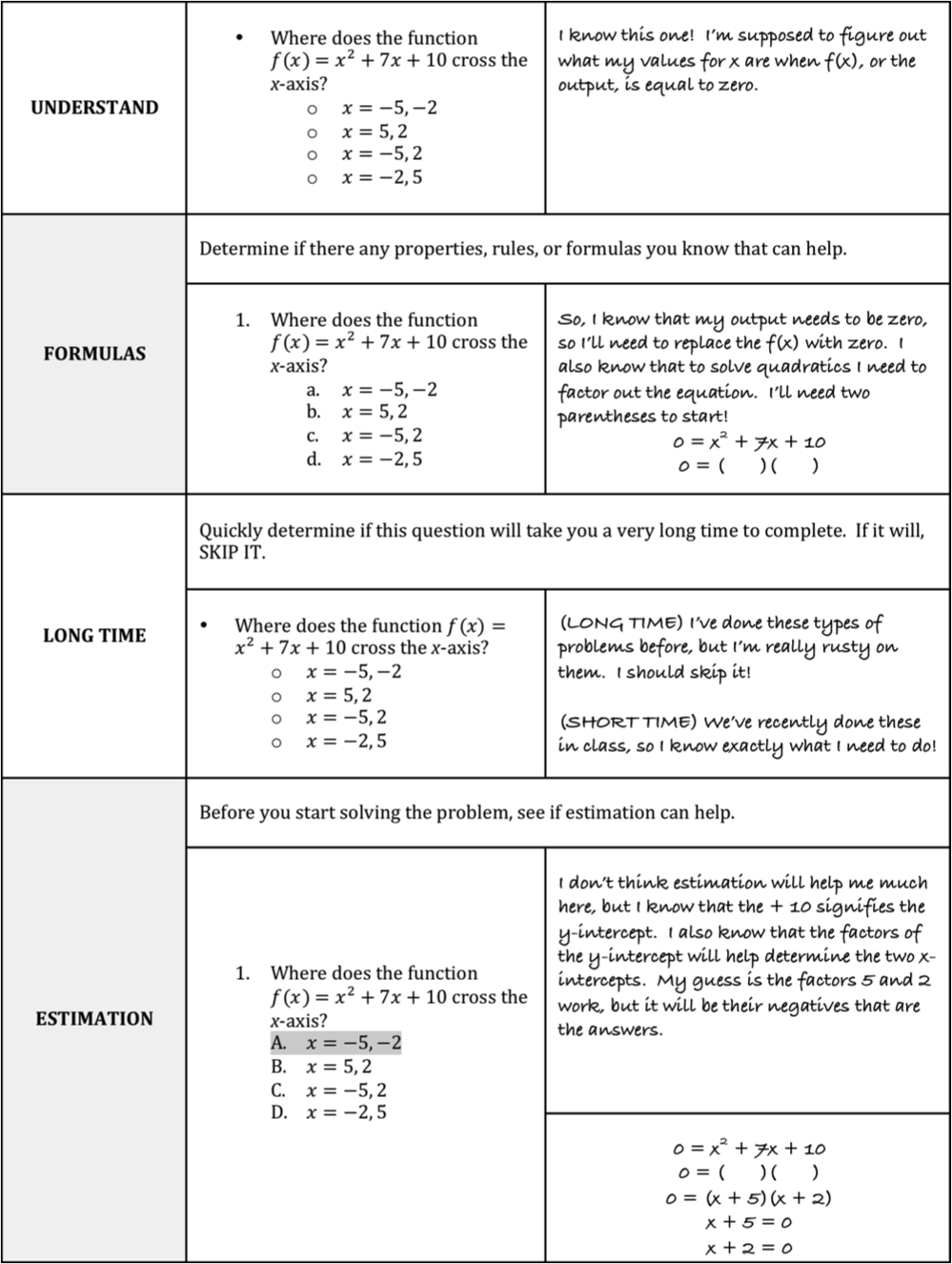
Systematic Approach to Answering ISEE Mathematics Word Problems
For Example:
ISEE Practice Tests and Questions
Piqosity allows you to take free practice quizzes and receive analysis of your performance including details on question difficulty level and a comparison to how your peers did on the same question. You can use questions already on Piqosity or upload your own.
The sample quiz below includes 20 word problems, 2 of which are easy, 2 of which are hard, and 16 of which are of medium difficulty. Note that on the actual test, the quantitative comparison questions will appear throughout the Quantitative Reasoning test and not in one section.
Create a free account to start practicing now!
Read More about the ISEE Test from Piqosity


[…] Math Word Problem Questions on the Upper Level ISEE […]